Why RAM Prices Are Rising - And How Data Centers Play a Big Part
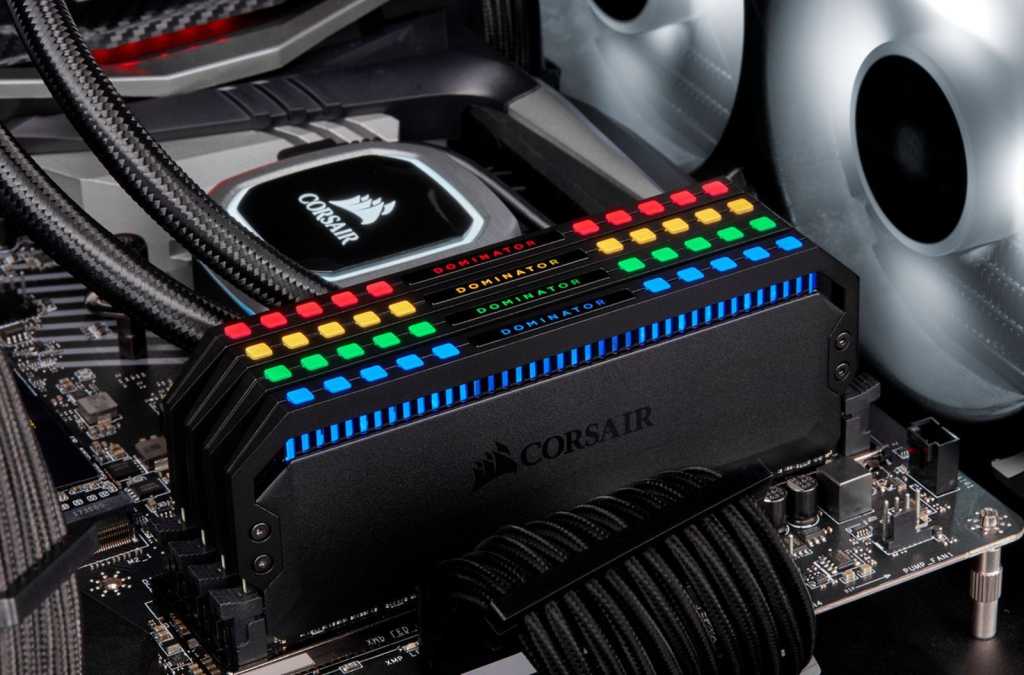
In recent years, memory prices - especially for RAM - have stopped behaving like a predictable commodity and started acting more like a scarce resource. For many gamers and PC builders, this shift feels sudden. But behind the scenes, a structural change is reshaping the market: the rapidly growing demand for memory from data centers, particularly those built for artificial intelligence.
Modern data centers are no longer just warehouses for storage or basic cloud services. AI-driven infrastructure relies on enormous pools of memory to process massive datasets, run complex models, and handle parallel workloads at scale. These systems require far more RAM per server than traditional setups, and they consume memory continuously rather than intermittently. As a result, data centers are absorbing an increasingly large share of global memory production.
This demand has a direct impact on consumer hardware. The same manufacturing capacity used to produce RAM for PCs and gaming systems is also used for server-grade memory. When manufacturers prioritize data center and enterprise clients, fewer resources are allocated to consumer modules. The outcome is simple: tighter supply and higher prices for everyday RAM.
Another factor is how data centers buy memory. Large cloud and AI operators plan years ahead and secure long-term supply contracts. They can afford to commit early and in bulk, locking in production capacity before consumer markets ever see it. Gamers and PC builders, on the other hand, buy from what remains - a smaller and less predictable pool of inventory that reacts quickly to changes in demand.
This shift also changes pricing behavior. RAM prices no longer follow the familiar pattern of gradual drops over time. Instead, they move in cycles driven by enterprise demand, infrastructure expansion, and manufacturing timelines measured in years. When demand spikes, prices rise fast. When supply eventually catches up, relief comes slowly.
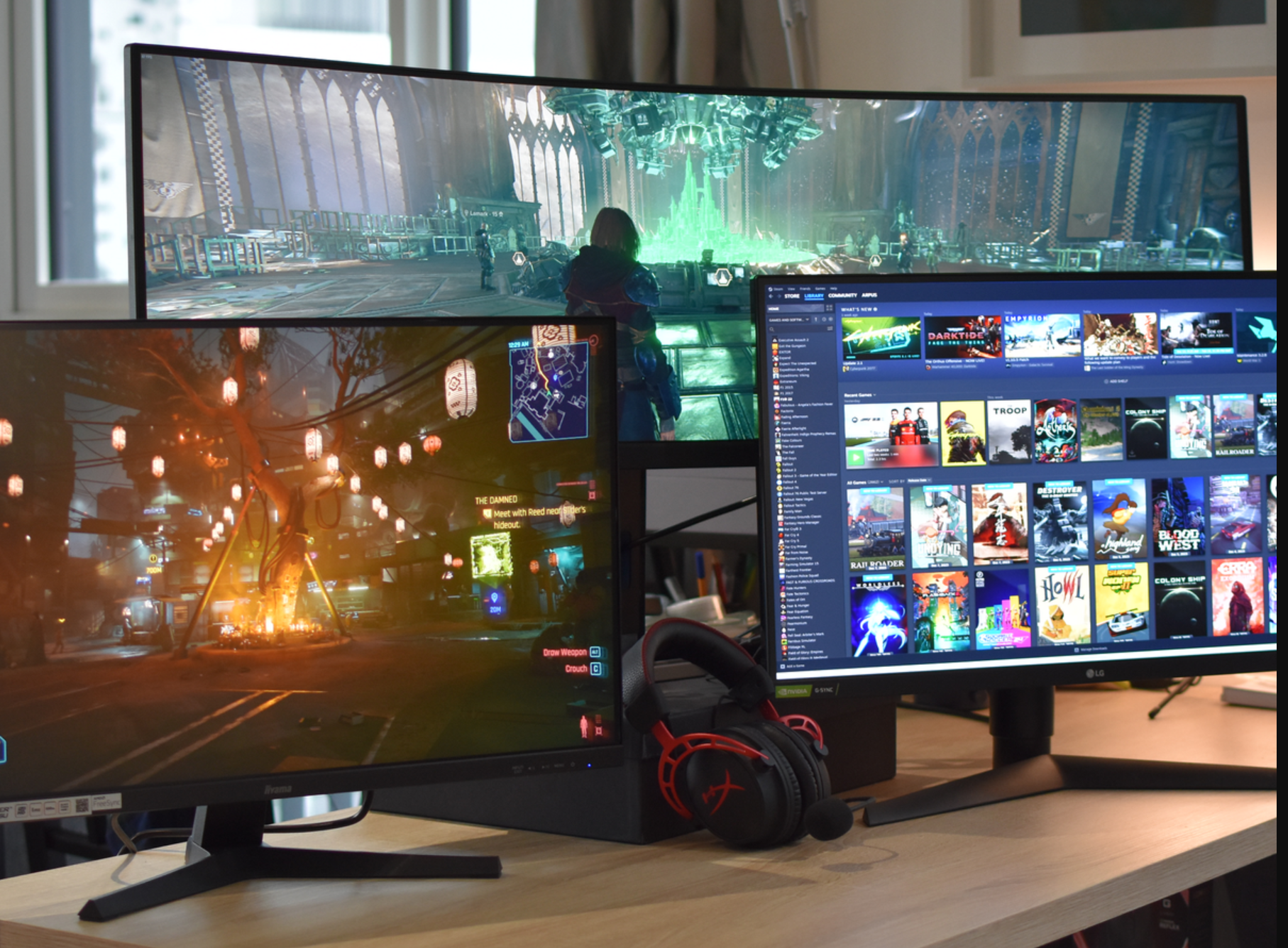
For gamers, this means RAM is no longer a background component you can ignore. Memory capacity affects performance, system longevity, and upgrade paths. When prices inflate, compromises are made - smaller kits, delayed upgrades, or unbalanced builds that bottleneck otherwise capable hardware.
Looking ahead, manufacturers are expanding production and investing in new facilities, but these changes take time. As long as AI and cloud infrastructure continue to grow at their current pace, competition for memory will remain intense. Consumer demand doesn’t disappear, but it no longer sets the terms of the market.
RAM price inflation isn’t about gaming becoming more expensive by accident. It’s a reflection of a computing world where massive data centers now shape the availability of the same components used in personal systems. Understanding that connection helps explain why memory feels volatile - and why, in modern hardware, even the smallest parts are tied to much larger forces.