Why Physical Games Are Disappearing
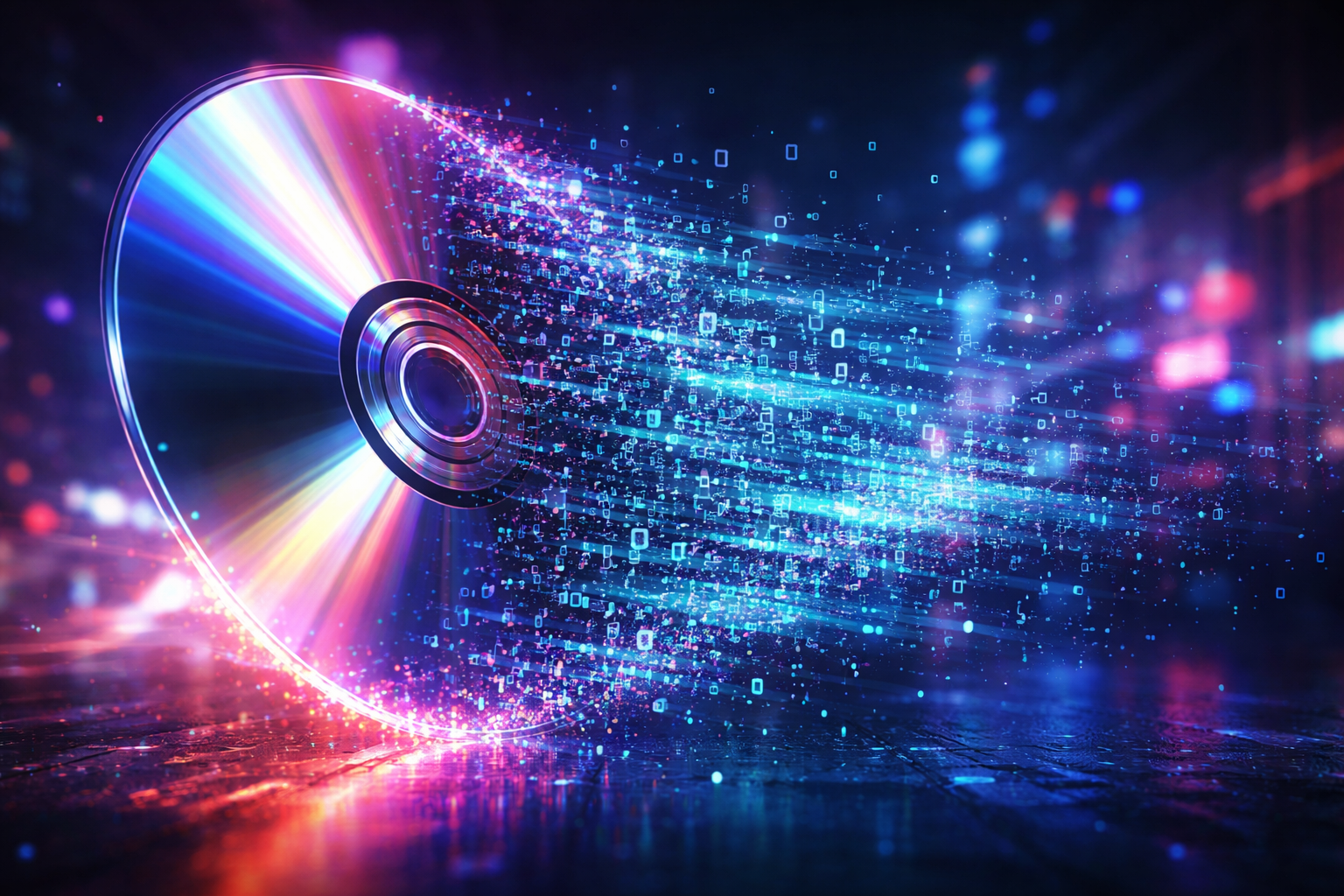
There was a time when buying a game meant holding it in your hands. A plastic case. Printed artwork. A disc that clicked into place. The purchase felt tangible - permanent.
That era is quietly fading.
Today, more players than ever are building libraries that exist entirely in the digital space. No shelves. No boxes. No cartridges. Just access - instant, invisible, always there.
This shift did not happen overnight, and it didn’t happen by accident.
The Illusion of Permanence
Physical games always felt permanent, but they never truly were. Discs scratch. Cartridges fail. Consoles break. Entire formats vanish.
What physical ownership really provided was the illusion of control - the comfort of something visible. But as games grew larger, more complex, and more connected, physical media stopped being the full product.
Day-one patches became mandatory. Online authentication became common. Content shipped incomplete, waiting to be updated. The disc stopped being the game - it became a key.
Once that line was crossed, physical distribution lost its advantage.
The Size Problem
Modern games are massive. It’s no longer unusual for a single title to exceed 100 GB. Physical media simply cannot keep up without compromises:
-
Multiple discs per game
-
Partial installs with mandatory downloads
-
Outdated versions on release
At that point, physical copies no longer save time, bandwidth, or effort. They add friction without adding value.
Digital delivery solved this instantly.
Convenience Always Wins
History shows a consistent pattern: convenience beats nostalgia.
Music moved from vinyl to CD to MP3 to streaming. Movies followed the same path. Games were never going to be different.
Digital games offer:
-
Instant access
-
No travel, no waiting
-
No storage limits
-
No physical degradation
For players who value time and flexibility, the choice became obvious.
The Rise of the Global Player
Gaming is no longer regional. Players buy titles across borders, platforms, and ecosystems. Physical distribution struggles with this reality.
Digital distribution removes:
-
Regional stock limitations
-
Shipping delays
-
Import restrictions
A game can be available globally the moment it launches. That scale simply isn’t possible with physical media.
Cost and Control
For publishers and developers, physical distribution is expensive and inefficient. Manufacturing, logistics, retail margins, unsold stock - all of it adds risk.
Digital delivery offers:
-
Lower overhead
-
Direct distribution
-
Faster updates
-
Better data insights
From a business perspective, the shift was inevitable.
What We Lose - And What We Gain
The disappearance of physical games isn’t purely positive. Collectors lose artifacts. Artwork becomes rare. The ritual of unboxing fades.
But something else emerges in its place: access over accumulation.
Digital libraries reflect how people actually play today - jumping between worlds, returning years later, building collections that live beyond hardware generations.
Ownership becomes less about objects and more about continuity.
The New Reality of Gaming
Physical games aren’t vanishing completely, but they are becoming symbolic - special editions, collector items, nostalgia pieces.
The mainstream future is digital.
Not because players stopped caring - but because gaming itself evolved.
At phaseneon, we see this shift not as a loss, but as a transition into a new phase. One where access is instant, libraries are limitless, and the boundary between player and world is thinner than ever.
The glow may be digital now - but the experience is very real.