Why Gamers Care About Ownership and Access
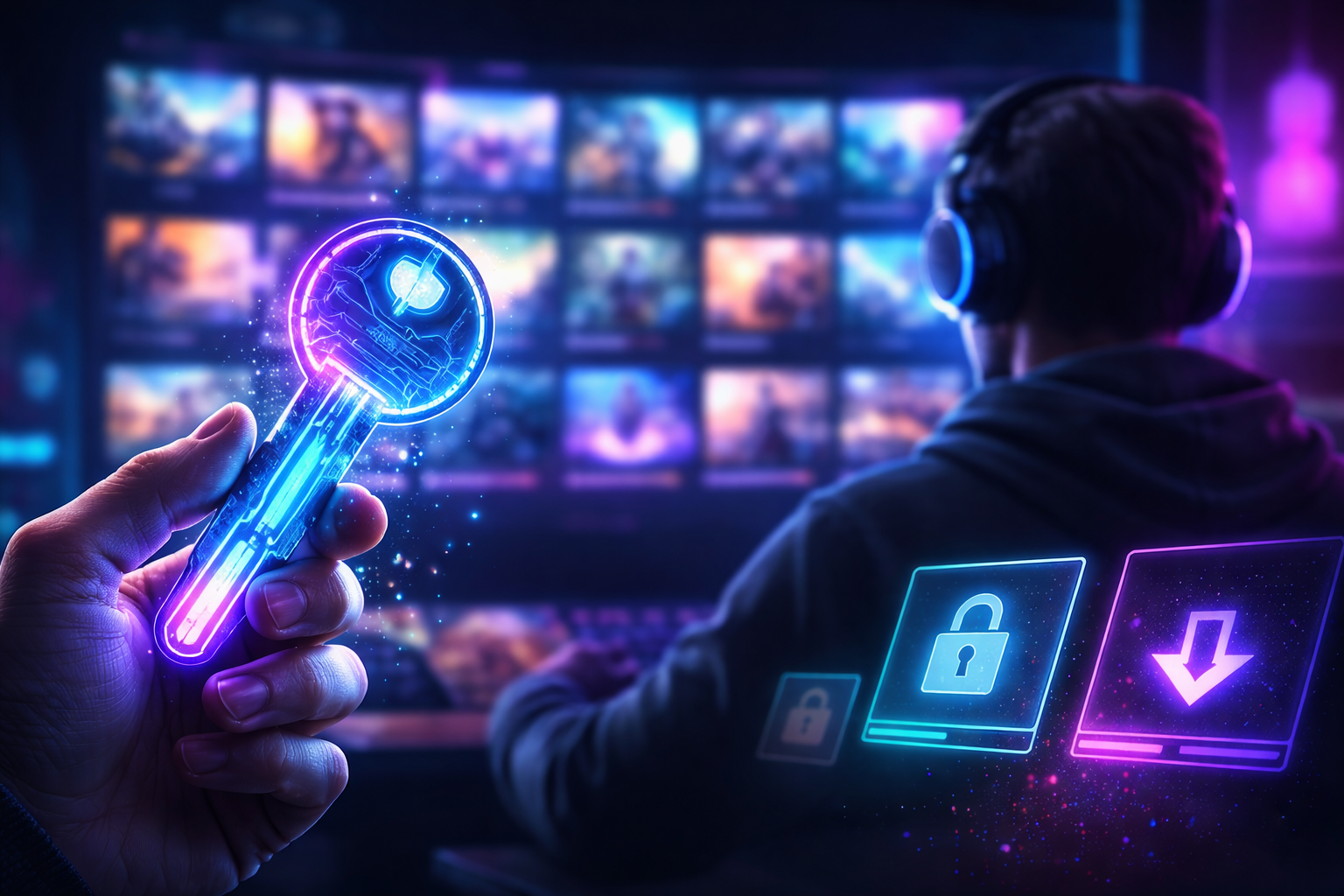
For a long time, ownership in gaming felt simple. You bought a game, you had it, and that was the end of the conversation. As games moved into digital spaces, that clarity disappeared. What players receive today is often access rather than possession, and the difference matters more than it first appears.
Gamers care about ownership because games are not disposable experiences. They invest time, emotion, and identity into the worlds they play. When access depends on platforms, licenses, or servers outside the player’s control, it introduces uncertainty. A library that can change without warning doesn’t feel permanent, even if it is convenient.
Access matters because modern gaming relies on ecosystems rather than standalone products. Downloads, updates, cloud saves, and online features make games easier to enjoy, but they also shift power away from the player. When a title is delisted or services shut down, players are reminded that access can be temporary, even when payment was not.
This tension is why ownership still matters. It represents stability in a medium that constantly evolves. Gamers don’t resist digital access because they dislike progress - they care because they want confidence that the experiences they invest in will still be there when they return.